Find the Best Pond Liner Installation Companies for Your Business
No obligation • Fast responses • Nationwide coverage

Why you can trust PondPages
PondPages is a leading U.S. source for pond management services, including construction, maintenance, dredging, and vegetation control. Our content is based on research and verified feedback, and providers cannot pay to influence rankings or reviews.
Search providers near you
Best Pond Liner Installation Companies in Missouri Ranked
Pond liners keep water where it belongs and protect the structure of your pond-whether it's a serene backyard koi pond, a farm irrigation pond, or a lined stormwater basin. Use PondPages to browse pond liner installation contractor companies near you, compare services, and reach out to the pros that fit your project. This directory helps you make informed decisions; you contact providers directly for quotes and scheduling.
Note: PondPages is an independent directory. Businesses listed here are not pre-screened or endorsed by us. Always verify licensing, insurance, and references before you hire.
What is a pond liner-and what installers actually do
A pond liner is a continuous, watertight membrane that lines the excavation to prevent seepage, protect the banks, and create a stable habitat for fish, plants, or water storage. Professional installers handle more than just rolling out a sheet of material-they plan, engineer, and build a complete lining system.
Typical scope of work includes:
- Site walk and measurements, including soil and groundwater checks
- Design recommendations on liner type, thickness (mil), and edge treatment
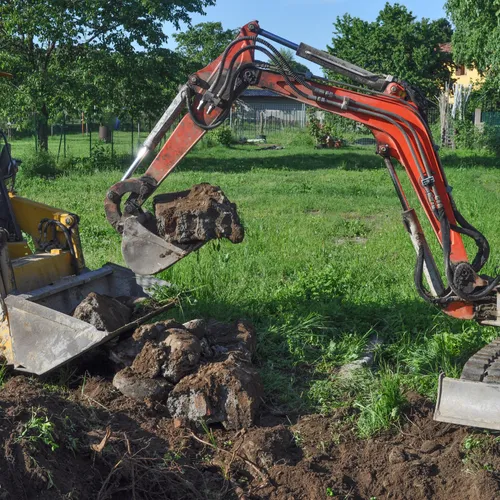
- Excavation, grading, and compaction of the subgrade
- Underlayment installation to protect against punctures and abrasion
- Liner placement, seaming panels, and forming an anchor trench around the perimeter
- Installing penetrations (bottom drains, skimmers, return lines, spillways, overflows)
- Rockwork or shoreline armoring, shelves for aquatic plants, and safety ledges
- Leak testing, cleanup, and guidance on startup and maintenance
Good installers balance aesthetics, durability, and budget-so your pond looks beautiful and performs for years.
Why a quality liner-and a qualified installer-matters
Water has a way of finding weaknesses. A well-designed liner system makes the difference between a clear, low-maintenance pond and a chronic headache.
Here's why it matters:
- Prevents leaks and erosion: Proper subgrade prep and underlayment protect the liner from roots, rocks, and settlement.
- Saves water and energy: Less seepage means lower refill and pumping costs.
- Keeps fish healthy: Fish-safe materials (like EPDM) and smooth seams reduce stress and injury risks.
- Protects nearby structures: Avoids undermining patios, retaining walls, or building foundations.
- Supports compliance: Lined stormwater, fire, and agricultural ponds often need specific materials or thicknesses to meet local standards.
- Extends lifespan: Correct material selection, UV protection, and edge detailing extend service life and reduce long-term costs.
Liner options and the key components of a successful system
Selecting the right material and details is half the battle. A few common options:
EPDM rubber (45-60 mil)
- Flexible and easy to shape around curves and shelves
- Often labeled fish-safe
- Heavier to move; seams are taped/primed rather than heat-welded
- Popular for ornamental ponds and water features
RPE - Reinforced polyethylene
- Strong for its weight, with good puncture resistance
- Comes in large factory panels that reduce seams
- Suitable for medium to large ponds where flexibility and strength both matter
HDPE geomembrane (40-60+ mil)
- Excellent chemical and UV resistance
- Seams are thermally welded for a monolithic liner
- Ideal for large engineered ponds, reservoirs, and stormwater basins; requires trained crews
PVC (20-40 mil)
- Budget-friendly and easy to handle
- Shorter UV life unless covered; not always ideal for fish
- Best where it can be fully shielded from sun and abrasion
GCL (geosynthetic clay liner) and compacted clay
- Uses bentonite clay to swell and self-seal
- Often combined with geomembranes in critical containment applications
- Needs proper confinement and installation expertise
Key components you'll see in professional specs:
- Subgrade preparation: Smooth, compacted base with rocks/roots removed
- Geotextile underlayment: Cushions the liner and spreads loads
- Seams and penetrations: Heat-welded or taped seams; boots and flanges at pipes
- Anchor trench: Perimeter trench that locks the liner against slippage
- Shoreline protection: Rock, turf reinforcement, or concrete to guard against UV and wave action
- Overflows and spillways: Manage heavy rain without overtopping
- Filtration and circulation (for ornamental ponds): Skimmers, bottom drains, biofiltration, and pumps sized for turnover goals
Ready to compare local pros? It's quick and free.
Find the perfect pond liner installation companies for your needs
Get personalized recommendations and expert advice
Typical costs-and what affects your price
Every pond is unique, but these ballpark figures can help you plan. Actual costs depend on location, access, soil, depth, features, and the contractor's scope.
Material costs (liner only, per square foot of liner area):
- EPDM 45-60 mil: about $0.90-$2.50
- RPE 30-40 mil: about $0.50-$1.50
- HDPE 40-60 mil: about $0.50-$1.20 (seaming/mobilization extra)
- PVC 20-40 mil: about $0.40-$0.90
- Underlayment geotextile: about $0.25-$0.60
Installation and earthwork:
- Residential liner installation (small/complex shapes): roughly $2-$6 per sq. ft. of liner area
- Large engineered ponds: often $1.50-$4 per sq. ft. due to economies of scale
- Excavation and grading: varies widely with equipment time, access, and haul-off; light residential work may run a few thousand dollars, while large digs can extend well into five figures
All-in project ranges (very general):
- Small ornamental pond (200-800 sq. ft. of liner): about $2,000-$10,000+
- Medium feature or small farm pond (1,000-3,000 sq. ft.): about $8,000-$35,000+
- Large lined basin or reservoir (acre-scale): $50,000-$250,000+ depending on depth, soil, and engineering
What drives cost up or down:
- Shape and depth (curves, vertical walls, multiple shelves take more time)
- Ground conditions (rocky soils, groundwater, or unstable banks)
- Access for machinery and material staging
- Edge detailing (boulder coping, planted shelves, or concrete)
- Number of penetrations and structures (drains, skimmers, overflows)
- Filtration/aeration equipment for ornamental or aquaculture ponds
- Permits, erosion controls, and inspections
Pro tip: Ask each contractor to map the liner area (in square feet), list liner thickness and type, and separately price excavation, underlayment, seaming, penetrations, rock/edge work, and equipment.
Installation timeline: what to expect
Timelines vary with size and weather, but here's a typical flow:
- Consultation and estimate: 3-10 days
- Design and scheduling: 1-2 weeks (longer if permits are needed)
- Excavation and rough grading: 1-5 days for small ponds; 1-3+ weeks for large basins
- Subgrade prep and underlayment: 1-2 days
- Liner placement and seaming: 1-3 days (small) or several days (large/HDPE)
- Penetrations, anchor trench, and shoreline protection: 1-4 days
- Rockwork, planting shelves, and cleanup: 2-7 days
- Fill, leak checks, and startup: 1-3 days
Weather delays and inspections can extend the schedule, so build in a cushion if you have a tight deadline.
How to choose a pond liner contractor company
The right partner blends technical skill with jobsite discipline. Focus on:
- Relevant experience: Look for projects similar in size and liner type to yours (EPDM, RPE, HDPE, etc.).
- Training and manufacturer approvals: Many geomembrane makers authorize or train installers; that's a good sign for quality seams.
- Proper licensing and insurance: Confirm general liability and workers' comp; ask for certificate copies.
- Equipment and crew capacity: For big liners, you'll want certified welders, test equipment, and a documented QA/QC process.
- Clear, detailed proposals: Materials, thickness, seam method, underlayment weight, pipe boots, anchor trench details, and edge treatments should all be spelled out.
- Warranty terms in writing: Separate material warranty (from the manufacturer) and workmanship warranty (from the installer).
- References and photos: Recent, local projects you can see or speak with.
Red flags:
- Vague scopes with "as needed" everywhere
- No mention of underlayment or anchor trench design
- Refusal to perform leak testing or provide seam test results (for welded liners)
- Only pushing one material "for everything" without discussing tradeoffs
Smart ways to compare quotes (apples to apples)
Make each proposal answer the same questions so you can truly compare value:
- Liner material, thickness (mil), and brand; include cut sheets
- Underlayment type and weight (oz/sq. yd.)
- Seam method (welded vs. taped) and testing plan
- Anchor trench dimensions and backfill spec
- Number and type of penetrations; boot/flange details
- Edge treatment: rock size, fabric wrap, or concrete coping
- Excavation depth, shelves, over-excavation, and haul-off allowances
- Overflow/spillway design and erosion control
- Filtration, pumps, and aeration specs (if included)
- Schedule, permits, inspections, site restoration
- Mobilization, travel, and change-order policy
Ask for a simple drawing with dimensions and section views. It helps you visualize the scope-and keeps everyone aligned.
Questions to ask before you hire
- Which liner materials do you install most, and why for my project?
- What thickness are you proposing, and how did you size it?
- How will you protect the liner from punctures at the base and edges?
- What's your seam testing plan (vacuum box, air-channel, spark testing)?
- How will you detail bottom drains, skimmers, and return lines?
- What's included in excavation, haul-off, and site restoration?
- What are the material and workmanship warranty terms?
- Who will be on site each day, and how will you manage safety?
- Can I see similar jobs you've completed in the last 12-24 months?
Preparation tips for property owners
You can help your project start smoothly with a little prep:
- Call 811 before you dig to mark utilities
- Confirm property lines, easements, and setbacks
- Provide clear access for equipment and deliveries
- Plan a staging area for liner rolls, geotextile, and rock
- Discuss dewatering, erosion controls, and storm planning
- Decide where excess soil or rock will go (haul-off vs. on-site use)
- For existing ponds, plan fish and plant relocation during work
- Line up your water source for filling-well capacity or municipal access
Signs you might need liner repair or replacement
If you already have a lined pond, watch for these clues:
- Faster-than-normal water loss even after rain
- Wet or spongy spots outside the bank indicating seepage
- Exposed liner at the waterline from erosion or UV shrinkage
- Wrinkles or slippage suggesting anchor trench or subgrade issues
- Visible tears, punctures, or seams pulling apart
- Discolored, brittle, or chalky liner surface
- Persistent cloudy water or pump cavitation that points to suction leaks
- Sinkholes or voids developing behind rockwork
Early repairs are almost always cheaper than a full replacement. A qualified contractor can locate leaks, patch or weld the liner, and shore up edges before damage spreads.
Permits, codes, and environmental considerations
Local rules vary, and some lined ponds-especially stormwater, fire, or agricultural storage-must meet specific standards. Common considerations include:
- Grading and drainage permits, erosion/sediment control
- Setbacks from property lines, wells, and septic systems
- Minimum freeboard and engineered overflows for detention or retention basins
- Fencing and safety signage for deeper ponds
- Wildlife-friendly slopes or escape ramps where appropriate
Your contractor may assist with drawings and specs, but permit applications are typically the owner's responsibility. Check with your city, county, or conservation district before work begins.
Find pond liner installation contractor companies near you
Whether you're building your first backyard pond or upgrading a large lined basin, the right liner and details will pay dividends for decades. Browse companies on PondPages, compare options side by side, and contact the pros who match your goals and budget. With clear specs and the right questions, you can hire confidently and enjoy a watertight pond that looks great and performs as designed.